
 See Our Latest Article on HelloNation
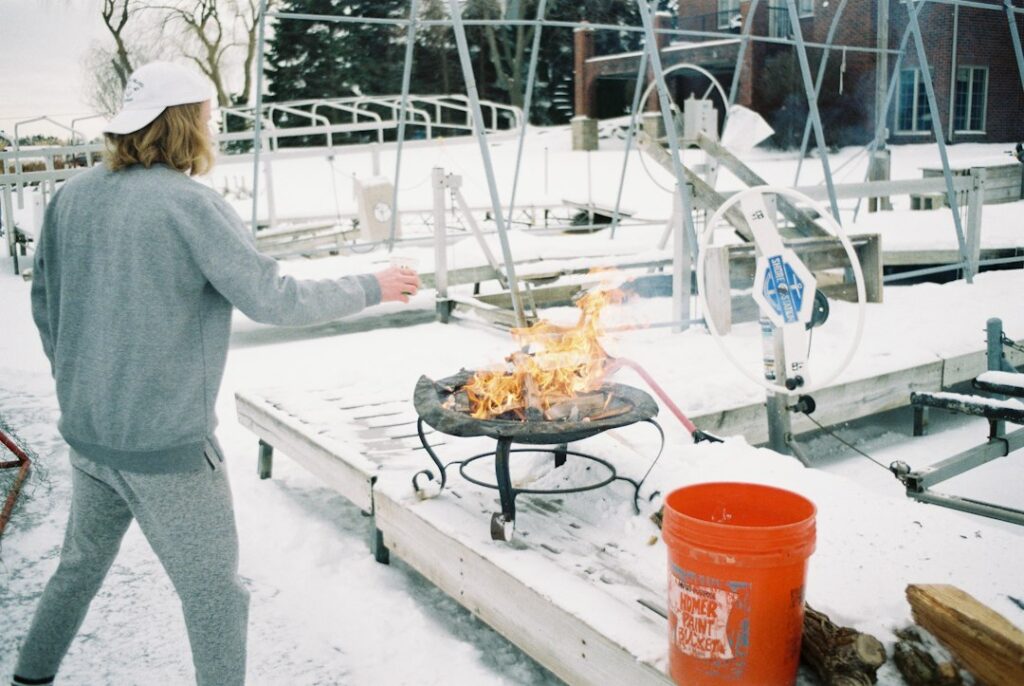
Daily chores can place repeated stress on the spine, especially when they involve bending, lifting, reaching, twisting, or working on slippery surfaces. In Canton, NY, seasonal tasks such as shoveling snow, carrying firewood, clearing wet leaves, and moving household items can add to the strain.
Protecting the spine does not require perfect posture or avoiding activity. It usually means changing how a task is organized, reducing awkward positions, and allowing the body enough time to adjust.
Which household chores are hardest on the spine?
Chores become more demanding when they combine weight, distance, repetition, or an awkward body position. A light object can still cause discomfort if it is held far from the body or lifted repeatedly.
Common examples include:
- Lifting laundry baskets, storage containers, or bags of soil
- Vacuuming or mopping while reaching forward
- Shoveling snow with repeated bending and rotation
- Carrying firewood or groceries up steps
- Cleaning low cabinets, tubs, and floors
- Reaching overhead for seasonal decorations
- Pulling stuck objects or dragging furniture
- Working in a crouched position for long periods
The spine is affected not only by how much an object weighs, but also by how often the movement is repeated and how quickly the task is performed.
How should a person lift something from the floor?
The safest approach is to prepare first, move close to the object, and lift with controlled movement. Keep the object near the center of the body rather than reaching out with extended arms.
Before lifting:
- Check the path for clutter, wet flooring, ice, or loose rugs.
- Decide where the object will be placed.
- Stand close enough that the object does not require a long reach.
- Use both hands when possible.
As the lift begins, bend through the hips and knees, keep the chest generally facing forward, and rise smoothly. Avoid holding the breath or jerking upward. If the object is bulky, unstable, or too heavy to control, divide the load or ask another person to share it.
There is no single perfect lifting posture for every person. The larger risks are often sudden force, repeated awkward movement, twisting under load, and lifting more than can be controlled.
Why is twisting while carrying a problem?
Twisting while carrying combines rotation with pressure on the muscles and joints that support the spine. The risk is greater when the object is heavy, held away from the body, or moved quickly.
Instead of twisting from the waist, turn by moving the feet. For example, while placing a box on a shelf, face the shelf first and then use the legs and hips to reposition the body. When unloading a vehicle or moving laundry, take smaller steps rather than reaching and rotating from one fixed position.
A useful rule is simple: move the feet toward the destination before moving the load.
What is a safer way to vacuum, mop, and sweep?
Long-handled tools can reduce bending, but they do not eliminate strain if the body is repeatedly stretched forward or rotated. Keep the handle at a height that allows the shoulders to relax and the elbows to remain slightly bent.
Work in short sections and move the feet with the tool. Avoid leaning from the waist to reach a distant area. When changing direction, step around rather than pulling the upper body into a twist.
For floor-level cleaning, use a half-kneeling position or squat briefly instead of folding forward for several minutes. Change positions regularly. Holding any single posture for too long can produce stiffness, even when the posture initially feels comfortable.
How can snow shoveling be made easier on the back?
Snow removal is especially demanding because it combines weight, cold temperatures, uneven footing, and repeated lifting. Cold muscles may feel less flexible, while icy or packed surfaces increase the chance of slipping.
Before beginning:
- Wear footwear with reliable traction.
- Clear a short section first to create stable footing.
- Warm up with several minutes of easy walking and gentle movement.
- Use a shovel that is comfortable to handle and not oversized for the person using it.

Push snow when possible instead of lifting it. When lifting is necessary, take smaller amounts and keep the shovel load close. Face the direction where the snow will go, step toward that area, and avoid throwing snow over the shoulder or far to the side.
Frequent short breaks are usually safer than waiting until the back feels exhausted. Pain, loss of strength, or increasing stiffness is a signal to stop and reassess the task.
How should laundry, groceries, and firewood be carried?
Carrying is easier when weight is divided into smaller loads. A very full basket may be manageable at the beginning but difficult after several trips, especially on stairs.
Use both hands for bulky objects and keep the load close to the torso. Avoid carrying a heavy object on one side for a long distance, since the body may lean to compensate. For groceries, distribute weight between hands or use a container that can be carried close to the body.
For stairs, make sure the path is visible and keep one hand available for the railing when appropriate. Do not carry a load so large that it blocks the view of the steps.
Firewood and other outdoor materials should be moved in manageable amounts. Wet wood, packed snow, and uneven ground can make an object significantly harder to control than its weight suggests.
How can chores be paced to prevent soreness?
Many back flare-ups occur after a person tries to complete a large seasonal task in one session. A better approach is to divide the work by time, movement, or area.
For example, alternate between:
- Standing and sitting
- Bending and walking
- Indoor and outdoor tasks
- Right- and left-sided activities
- Short work periods and recovery breaks
Gentle regular activity generally supports spinal health better than long periods of inactivity followed by sudden heavy work. Strength and mobility in the legs, hips, trunk, and shoulders can also make daily chores easier to tolerate.
Persistent soreness should not be ignored simply because the task seems ordinary. Repeated discomfort may indicate that the load, technique, equipment height, or pace needs to change.
When does back pain during chores require medical attention?
Most minor strains improve with continued gentle movement and sensible activity changes. However, urgent medical evaluation is warranted after a serious fall or collision, or when back pain occurs with new weakness, numbness in both legs, loss of bladder or bowel control, or numbness around the groin.
Medical guidance is also appropriate when pain is severe, rapidly worsening, accompanied by fever or unexplained weight loss, or continues to interfere with normal activities. Pain that travels down a leg, particularly with weakness or significant numbness, deserves attention rather than repeated attempts to work through it.
For everyday chores, the goal is not to keep the spine rigid. The goal is to move with control, keep loads manageable, vary positions, and respect signs that the body needs a pause.
