
 See Our Latest Article on HelloNation
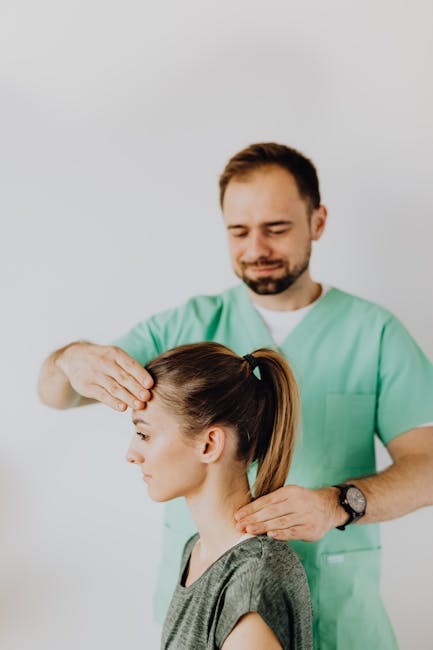
Living in Canton, NY, many of us lead active and community-focused lives, from enjoying the scenic walking trails along the Grasse River to participating in community sports and engaging in daily work routines. However, one common issue that often puzzles many residents, whether after a long study session at St. Lawrence University or a brisk walk through Heritage Park, is the occasional clicking or popping sound in the neck. So, what exactly causes clicking in the neck? Is it something to worry about? Let’s dive into the facts that affect people right here in Canton, NY.
What Is Clicking in the Neck?
Clicking, popping, or cracking sounds in the neck can be surprising, especially if they occur frequently. Medically, these noises are often called “crepitus.” They can be heard during gentle head movements, stretching, or even when just turning your head to look at the beautiful landscapes in Canton. Most of the time, these sounds are harmless, but they can sometimes indicate underlying issues that require attention.
Common Causes of Neck Clicking
The reasons for neck clicking vary. Here are some of the most common causes:
- Gas Bubbles:
Just like the "pop" you might hear when cracking your knuckles, the neck’s facet joints contain fluid and can accumulate gas bubbles over time. When you move, these bubbles may collapse or burst, creating a clicking sound. This is normally harmless and a frequent occurrence for people of all ages in Canton, especially after waking up on a chilly morning.
- Ligament or Tendon Movement:
Ligaments and tendons surrounding the neck joints can move slightly out of place and snap back during head movement. This is especially common in individuals engaging in physical activities, such as high school athletes at Canton Central School or recreational pickleball players at local parks.
- Joint Dysfunction or Arthritis:
As we age, or in those who perform repetitive neck movements (think: St. Lawrence County teachers, or farmers in the outskirts of Canton), the cartilage in neck joints can begin to wear down. This degeneration can lead to increased friction and clicking noises, which might also be accompanied by stiffness or pain.
- Injury or Trauma:
Occasional minor trauma, like a slip on icy sidewalks during Canton’s winters, can change how your neck joints move and create new sounds. Always pay attention if the clicking follows an injury or is associated with pain or neurological symptoms, like numbness.
When Is Neck Clicking a Concern?
While benign neck noise is typically nothing to worry about, Canton residents should watch for warning signs:
- Pain that persists or worsens over time
- Clicking accompanied by tingling, numbness, or weakness in the arms or hands
- Restriction in your neck’s ability to move normally
- Swelling, heat, or visible deformity in the neck region
- Recent trauma or injury, especially after falls or car accidents during the winter
If you experience these symptoms, a visit to a healthcare provider is important to rule out structural problems like herniated discs or more significant arthritis.
Is Neck Clicking Preventable?
Certain lifestyle habits can reduce the chance of bothersome neck clicking:
- Stay Active, But Safe:
Engaging in low-impact exercise, like walking along the Canton hiking trails or participating in yoga classes at local studios, helps keep the neck muscles flexible without straining the joints.
- Maintain Good Posture:
Whether at school, in community offices, or lounging at home during Canton’s long winters, good posture matters. Maintain an ergonomic workstation and avoid prolonged forward head positions.
- Gentle Neck Stretches:
Incorporate gentle neck stretching routines. Never force movement, and always stretch within a comfortable range.
- Strengthening Exercises:
Building neck and upper back strength supports proper alignment and reduces wear and tear on neck joints.
The Role of Local Climate and Lifestyle
Canton’s climate—with cold, snowy winters and moderate summers—means many residents experience increased muscle stiffness in the neck during the cold months. The urge to “crack” or stretch the neck might increase as muscles tighten to compensate for chilly weather. Being aware of these seasonal factors, as well as common local activities such as shoveling snow or participating in winter sports at the Appleton Arena, can help you stay mindful of neck health.
What Should I Do If My Neck Clicks?
Most neck clicking does not require treatment. However, adopting the following steps can help:
- Modify or avoid activities that aggravate the noise.
- Monitor for new or concerning symptoms as outlined above.
- Continue regular, gentle activity.
- Seek professional advice if you’re unsure or symptoms worsen.
For those in Canton, NY, several healthcare options, including chiropractic care, physical therapy, and family medicine, are available and well-versed in addressing musculoskeletal issues related to local work and recreational habits.
Myths and Facts About Neck Clicking
- Myth: All neck cracking is harmful.
*Fact:* Most clicking sounds are harmless and not a sign of injury.
- Myth: You must avoid all neck movement if you hear clicking.
*Fact:* Gentle movement and proper exercise often promote joint health.
Conclusion
Clicking in the neck is a common experience for many residents of Canton, NY, and while it is usually harmless, it is worth understanding the potential causes. Paying attention to body signals, maintaining an active lifestyle suited to our lovely North Country setting, and being aware of when to seek professional care ensures you enjoy all the activities Canton has to offer—without neck discomfort holding you back.
