
 See Our Latest Article on HelloNation
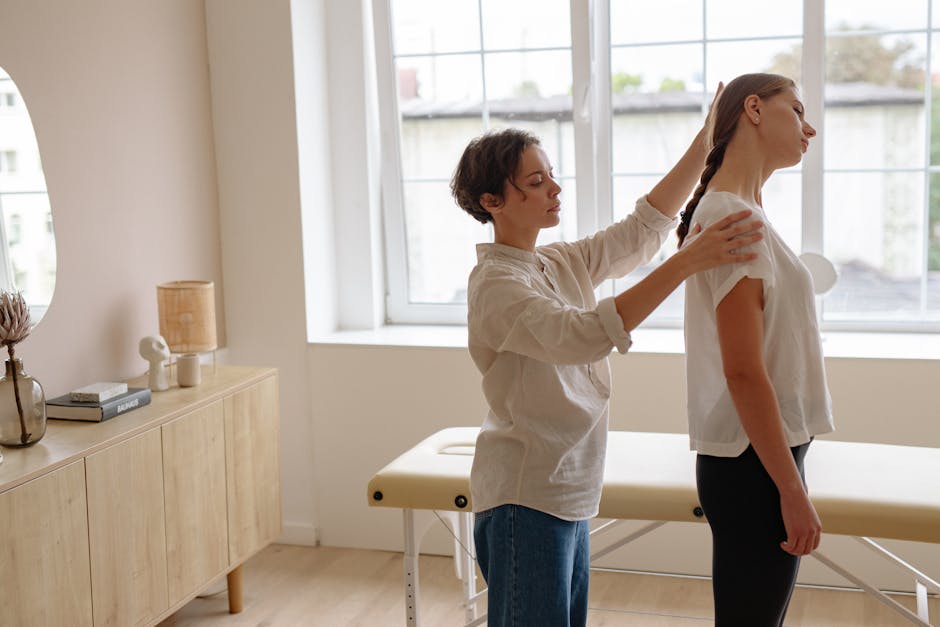
Living in a close-knit, active community like Canton, NY, many residents enjoy spending time outdoors, participating in sports at St. Lawrence University, walking along the Grasse River, or enjoying local hiking trails. But if you or your loved ones have noticed issues with balance—such as feeling unsteady while walking on uneven sidewalks, standing up suddenly, or even just doing daily tasks—it might be more than just fatigue or aging. There’s an essential connection between your spine’s alignment and your sense of balance that everyone in Canton should understand.
Understanding Balance: More Than Just Staying Upright
Balance is your body’s ability to maintain its center of gravity over its base of support. While it might seem simple, balance involves a complex interaction between your brain, inner ear (vestibular system), eyes, muscles, joints, and most importantly—your nervous system.
When something goes wrong in this system, even the simplest activities—like navigating through Deep Root’s busy farmer’s market or hiking Lampson Falls—can be challenging.
The Spine: The Body’s Main Communication Highway
The spine is not just a column of bones—it’s the main highway for communication between your brain and your body. The spinal cord, encased within your vertebrae, carries messages to and from the brain, coordinating movement, reflexes, and—crucially—balance.
If any part of the spine is misaligned, pinched, or not moving properly (a condition called subluxation), the flow of information to and from your brain can be disrupted. This may lead to problems such as:
- Dizziness or lightheadedness
- Unsteadiness or frequent tripping
- Difficulty changing positions (e.g., from sitting to standing)
- Muscle weakness in the legs
How Spinal Misalignment Causes Balance Problems
Canton’s winter ice, muddy spring sidewalks, and even just climbing steps at local schools can put your balance to the test. Spinal misalignments can affect the body in several key ways:
- Disrupted Nerve Function: A misaligned vertebra can put pressure on nerves, which may send faulty signals about body position and movement to the brain.
- Impaired Proprioception: “Proprioception” is your body’s awareness of movement and position. Your spine, with its many nerve endings, plays a huge role in this—misalignment dulls this sense, increasing fall risk.
- Muscular Compensation: When the spine isn’t straight, surrounding muscles have to work overtime to stabilize you, leading to fatigue and imbalance.
- Vestibular Dysfunction: Poor posture, often stemming from spinal issues, can interfere with your inner ear’s ability to keep you steady.
Some local patients have described how improved spinal alignment helps them walk safely on Canton’s uneven sidewalks or stay comfortable during long days volunteering at local events.
Common Signs of Balance Problems Related to the Spine
You might wonder whether your balance problems are connected to spinal issues. Ask yourself:
- Do you feel off-balance while walking across the SUNY Canton campus or standing in line at Price Chopper?
- Is it hard to turn your head without getting dizzy, especially while driving around town?
- Do your feet sometimes “drag” or do you feel unusually clumsy at home?
- Are you frequently reaching for nearby furniture or handrails to steady yourself?
If you answered yes to any of these, spinal misalignment may be a culprit.
How Chiropractic Care Can Help Restore Balance
Chiropractors are specially trained to detect and correct spinal misalignments. During your visit, your chiropractor will:
- Evaluate posture and alignment using movement assessments and, if needed, X-rays.
- Check reflexes, muscle function, and the way your joints move.
- Use gentle adjustments to restore proper alignment, easing nerve pressure and improving communication with the brain.
Over time, consistent chiropractic care has helped many Canton residents regain stability—helping older adults walk safely on icy driveways and younger folks prepare for the next Saints hockey season.
Preventing Falls and Improving Balance at Home
While chiropractic care is a cornerstone of restoring balance, you can also take proactive steps at home and around Canton:
- Keep Moving: Gentle exercises like walking the Canton Village Green, tailored stretching, and supervised strength training improve flexibility and support balance.
- Check Your Environment: Make sure your home has non-slip mats, clear walkways, and proper lighting.
- Mind Your Posture: Whether you’re working at a desk or gardening, try to maintain upright, relaxed posture.
- Hydrate and Eat Well: Good nutrition and hydration help keep muscles and nerves working their best.
Frequently Asked Questions About Balance and Spinal Alignment
Can spinal problems really cause dizziness and balance issues?
Yes, especially if nerves are compressed or one side of your spine is under more tension, your body’s sense of balance can be thrown off.
Are balance issues just a normal part of aging?
While balance can naturally decrease with age, spinal misalignments and lack of movement can accelerate this process. Addressing spinal health can make a significant difference at any age.
Is it safe for older adults in Canton to see a chiropractor?
Chiropractic adjustments are gentle and tailored for all ages, including seniors. Many elderly patients report feeling steadier with regular care.
When Should You Seek Help?
If your balance is interfering with your lifestyle—whether that means picking apples at a North Country orchard, hiking the Stone Valley Trail, or simply walking your dog on East Main Street—it’s wise to address the root cause early.
Chiropractic assessment is a safe and effective way to determine if spinal issues are behind your symptoms. Don’t let balance problems keep you from enjoying everything Canton, NY has to offer.
—
Community, movement, and safety are cornerstones of life in Canton. Prioritizing your spinal health can help you remain active and confident—whether navigating icy sidewalks or cheering at local sports events. If you recognize yourself in any signs mentioned above, a chiropractic check-up could be the key to better balance and a more active, enjoyable life.
