
 See Our Latest Article on HelloNation
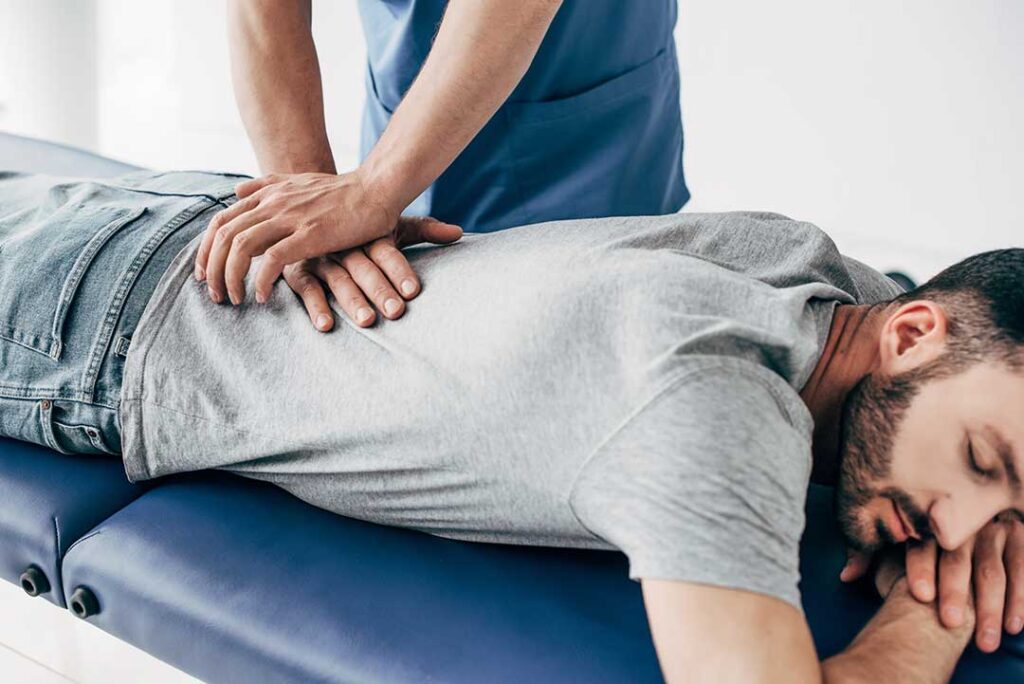
Why Does Core Strength Matter for Spinal Health?
A strong core acts as the foundation for spinal stability, reducing the risk of back pain and posture issues. Whether facing icy sidewalks in the winter or tending to gardens in the warmer months, local residents depend on stable, balanced movement every day. The body's core muscles stabilize the spine during all kinds of daily activities—from shoveling snow to raking leaves.
Proper core engagement helps distribute physical stress more evenly, which reduces excess strain on the back. Weak or inactive core muscles can leave the lower back, hips, and neck vulnerable to overuse and injury.
What Is the Core, and Which Muscles Are Involved?
The core is much more than just the abdominal muscles. It includes:
- Deeper abdominal wall muscles (transverse abdominis)
- Back muscles running along the spine (multifidus and erector spinae)
- Diaphragm and pelvic floor
- Hip muscles (especially those that stabilize the pelvis)
These muscle groups work as a team to form a supportive cylinder around the entire trunk, from below the ribs to the pelvis.
How Does Core Weakness Lead to Back Problems?
When core muscles are weak or not activated effectively, the spine loses important support. This makes daily motions—such as lifting groceries, twisting to reach for something, or navigating uneven sidewalks in the city—riskier.
Common problems linked to poor core strength include:
- Lower back pain caused by overloaded lumbar joints and discs
- Poor posture, which can contribute to neck and upper back tension
- Difficulty with balance, which is especially risky during icy winters
- Fatigue after moderate household or yard work
Many residents assume that back pain is mostly a problem for those who already have injuries. In reality, years of subtle core weakness may contribute to discomfort long before a true injury occurs.
What Are Simple Ways to Strengthen the Core Safely at Home?
Local residents do not need elaborate equipment or hours at a gym to make their cores more resilient. In fact, gradual daily routines often yield the best results:
- Practice standing tall—shoulders over hips, with even weight on both feet—during daily activities like washing dishes or waiting in line.
- Try basic exercises such as planks, gentle bridges, or modified side planks. Even 1–2 sets a few days a week can help.
- Engage core muscles intentionally when lifting laundry, carrying firewood, or doing yard work. Focus on bracing the abdomen rather than arching the lower back.
It is crucial to listen to the body and avoid overdoing it, especially for those new to focused exercise. Stop any movement that causes discomfort in the back.
Are Sit-Ups and Crunches Good for Core Strength?
Many people think of sit-ups or crunches as core exercises, but these moves mainly target the superficial muscles of the belly and can strain the neck or lower back. Safer options, such as planks and bird-dog exercises, challenge a broader cross-section of core muscles and are more functional for daily living in the community.
Injuries sometimes occur when people perform old-school exercises with poor form or too much force. Slow, controlled movements with attention to posture usually produce better benefits and less risk.
How Does Core Strength Fit into Local Lifestyles and Seasons?
The unique climate and routines of Canton present both challenges and opportunities for maintaining a strong core:
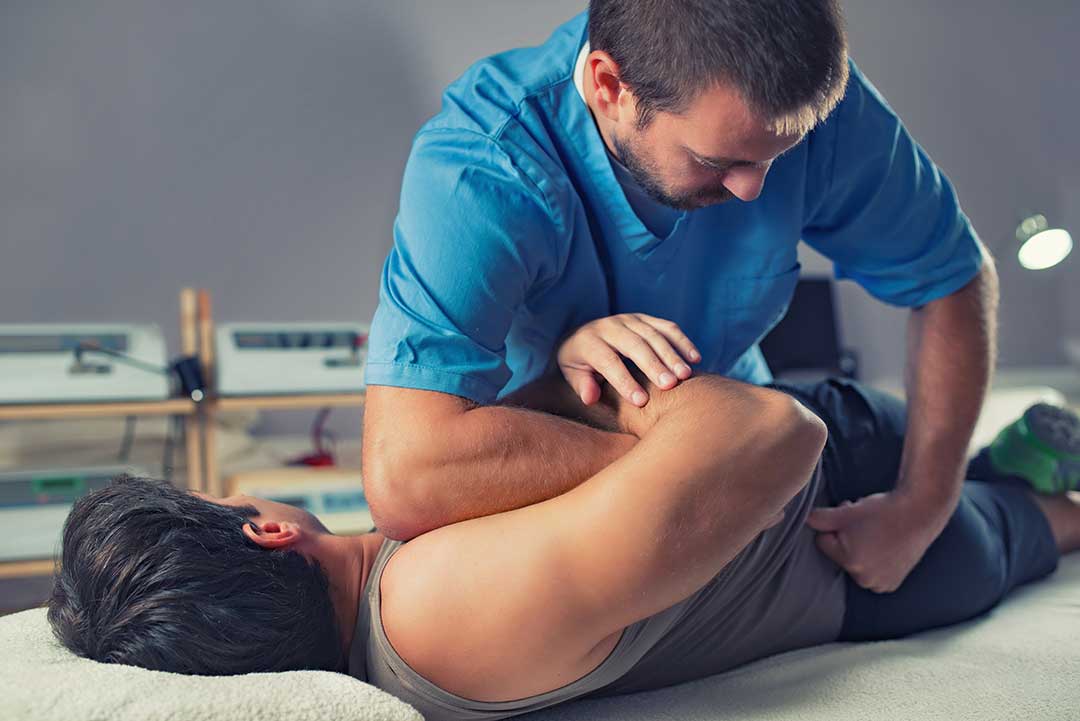
- Winter snow and ice call for balance and stability to reduce fall risk.
- Autumn yard cleanup or spring gardening activities involve frequent bending and lifting.
- Many area homes feature stairs, porches, or uneven paths requiring safe trunk support and balance.
Staying physically active year-round—including short walks, active commuting, and household chores—can offer consistent opportunities to engage core muscles naturally.
What Misconceptions Do Residents Commonly Have?
Two prevalent myths often arise among local households:
- “I don’t need to worry about my core unless I'm athletic.” Core strength is vital for everyone, from parents carrying toddlers to retirees enjoying local parks.
- “Back pain is an unavoidable part of aging.” While some factors are outside personal control, actively supporting the spine with regular core activity can reduce the frequency and intensity of discomfort for many individuals.
Even small improvements in posture and muscle support can have tangible effects on comfort and safety throughout the seasons.
When Should Residents Seek Medical Advice About Back or Core Concerns?
While most mild aches related to daily movement resolve with self-care and gradual core-building, there are certain warning signs that call for professional input. Seek guidance if:
- Pain radiates down the legs or causes numbness and weakness
- Symptoms do not improve with home care after a few weeks
- Daily activities become difficult or unsafe due to balance or strength issues
- A recent injury or fall produced immediate sharp pain
In these situations, evaluation ensures that exercises are not only safe, but effective for individual needs.
Advancing core strength at a comfortable pace, with regular practice and awareness of posture, provides immeasurable support for spinal health throughout the community.
