
 See Our Latest Article on HelloNation
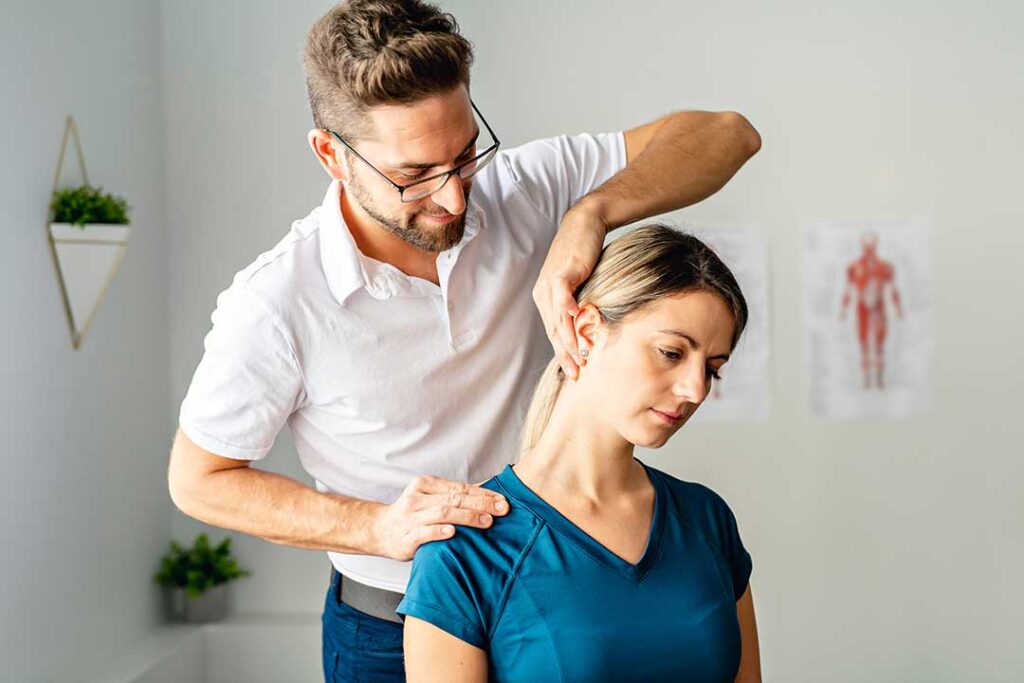
Do High Heels Affect Back Health?
High heels significantly change the way the body stands and moves, which can have consequences for back health. The elevated heel alters posture, shifts weight, and puts added strain on the lower back and legs. For those in Canton, NY, who experience long winter days or walk on uneven ground, the risks can increase compared to communities with smoother, more predictable surfaces.
Why Do High Heels Cause Back Pain?
Wearing high heels forces your feet into a downward angle, which pushes your body weight forward. This leads to a cascade of effects starting from the feet, traveling up to the knees, hips, pelvis, and ultimately, the spine. With the pelvis tilted forward, the normal curves in your back are exaggerated. Over time, this reduces shock absorption and strains vertebral joints and surrounding muscles.
Residents who often walk on sidewalks, navigate slushy walkways, or stand for extended periods—such as at local events or gatherings—may notice discomfort sooner, especially during slippery or icy months. Those already managing back or foot problems can find these effects amplified in such conditions.
What Changes Happen to Your Posture and Spine?
The most noticeable change is an increased arch in the lower back, called hyperlordosis. This is the spine’s way of compensating for the tilt caused by elevated heels. The body adapts by:
- Shifting weight onto the forefoot
- Increasing pressure on the knees
- Tightening lower back muscles
- Shortening of calf and hamstring muscles
As these adaptations become habitual, muscle imbalances and joint stress can increase, even when not wearing heels.
Can High Heels Worsen Pre-Existing Conditions?
People managing back issues or arthritis may see symptoms aggravated by high heel use. A few common local scenarios include:
- Navigating icy parking lots in winter, where improper balance increases injury risk
- Carrying backpacks or groceries while wearing heels, which further destabilizes posture
- Walking extended distances, such as to campus or community events
High heels can also aggravate foot conditions like bunions, plantar fasciitis, and nerve compression. If you have a history of joint or back pain, minimizing the frequency or heel height may help reduce discomfort.
Are Shorter Heels or Wedges Better?
A lower, wider heel like a wedge or block style generally offers more support than a stiletto. While these options distribute weight better and grant more stability on uneven or icy sidewalks, any elevation can still impact spinal alignment, just to a lesser degree.
For everyday wear in the city, shoes with a modest heel (under two inches) and supportive soles may offer a reasonable compromise between style and comfort, especially for those needing to walk moderate distances in seasonal weather.
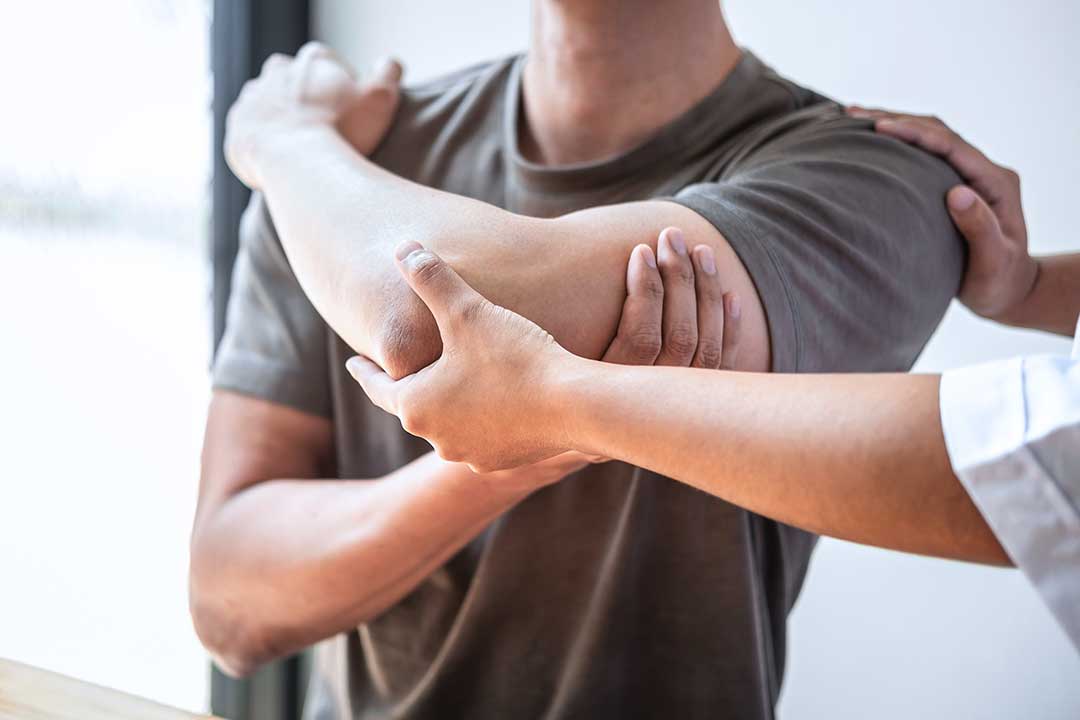
What Habits Can Help Minimize Discomfort?
Simple adjustments can make a noticeable difference for those who want or need to wear high heels occasionally:
- Alternate footwear throughout the week; switch to flats or athletic shoes for errands and commuting
- Perform basic calf, hamstring, and hip flexor stretches after prolonged wear
- Pay attention to signs of fatigue, especially after standing for long periods at meetings, events, or during holiday gatherings
- Add insoles designed for additional arch support and cushioning
- Avoid extended walking in heels on days when sidewalks are icy or uneven
Residents wearing boots or insulated footwear in winter may consider heel height as part of overall stability and comfort, especially when carrying heavy winter clothing or navigating snow piles.
Are There Misconceptions About High Heels and Back Health?
Some believe wearing high heels occasionally is harmless. While short, infrequent use is less likely to cause long-term issues, regular or prolonged wear—even in boots or wedges—can still have a cumulative effect on posture and joint health.
Others assume that "getting used to" high heels means the body is adapting safely. In reality, the body is compensating, which may increase the risk of chronic tightness, strain, or misalignment, especially for those doing a lot of standing or walking during local festivities or at work.
When Should Residents Consider Other Options?
If you regularly experience back pain, tingling, or leg fatigue after wearing high heels, taking a break may be beneficial. Those who spend a lot of time outdoors, walk to work, or participate in winter sports might consider supportive shoes with better traction.
During summer festivals or daily commutes around the community, packing a pair of supportive flats or sneakers can reduce the physical strain of dress shoes or heels, especially if you'll be on your feet for long stretches.
