
 See Our Latest Article on HelloNation
Growing older does not automatically mean losing the ability to walk comfortably, turn the head, rise from a chair, or manage everyday tasks. Mobility depends on several interacting factors, including joint motion, muscle strength, balance, vision, nerve function, pain levels, and confidence.
For some older adults in Canton, NY, chiropractic care may be one part of a broader plan to support movement. It is not a replacement for medical evaluation, strength training, physical therapy, medication review, or fall-prevention changes at home. Its potential role is usually more focused: reducing certain sources of musculoskeletal discomfort and helping a person move more comfortably.
What does mobility mean for an older adult?
Mobility is more than the ability to walk a certain distance. It includes the practical movements needed for independent living, such as:
- Standing up from a chair
- Getting in and out of bed
- Turning while walking
- Reaching into a cupboard
- Climbing or descending stairs
- Walking across uneven ground
- Getting into a vehicle
- Completing household chores
Pain, stiffness, reduced joint motion, weakness, and fear of falling can all make these activities harder. The National Institute on Aging notes that regular physical activity can improve physical function and make everyday tasks easier, including getting out of a chair, moving around the neighborhood, and managing household responsibilities. ([nia.nih.gov](https://www.nia.nih.gov/health/exercise-and-physical-activity/health-benefits-exercise-and-physical-activity?utm_source=openai))
How might chiropractic care affect mobility?
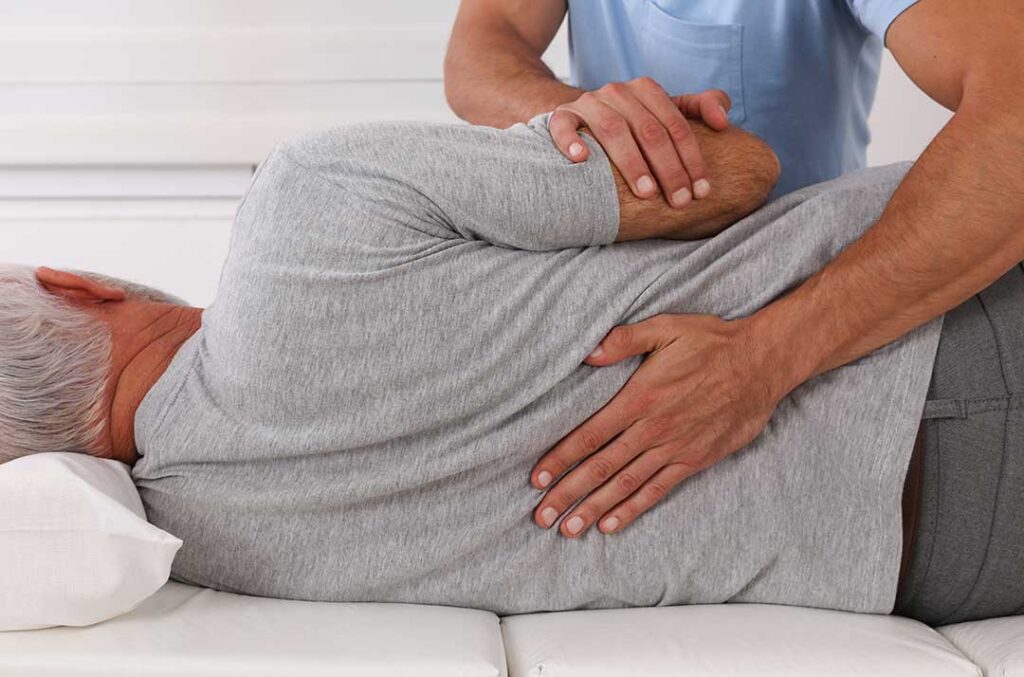
Chiropractic care commonly involves an assessment of the spine and other joints, followed by hands-on techniques, movement advice, and sometimes exercises. The intended goal is not to “realign” the entire body or reverse normal aging. A more realistic goal is to address specific movement limitations or pain that may be interfering with activity.
For example, an older adult may have difficulty walking because of low-back discomfort, limited hip movement, or stiffness through the middle back. If those problems are contributing to guarded movement, an appropriate care plan may help the person move with less discomfort.
Possible mobility-related benefits may include:
- Improved short-term joint movement
- Reduced stiffness in some areas
- Less discomfort during walking or changing position
- Greater willingness to remain active
- Better awareness of posture and movement habits
Evidence for spinal manipulation is strongest for certain musculoskeletal conditions, particularly some forms of low-back pain. The National Center for Complementary and Integrative Health reports that studies have found spinal manipulation can provide benefits for some adults with chronic low-back pain, although results vary and it is not appropriate for every person. ([nccih.nih.gov](https://www.nccih.nih.gov/health/spinal-manipulation-what-you-need-to-know?utm_source=openai))
Does chiropractic care improve balance or prevent falls?
Chiropractic treatment by itself should not be considered a complete fall-prevention program. Balance depends on the brain, inner ear, vision, nerves, muscles, joints, blood pressure, medications, and the surrounding environment.
Care that reduces pain or improves movement may make it easier to participate in walking, strengthening, and balance activities. However, the strongest fall-prevention approach usually combines several measures. National guidance emphasizes strength and balance exercise, medication review, vision checks, appropriate footwear, and safer walking surfaces. ([cdc.gov](https://www.cdc.gov/falls/prevention/index.html?utm_source=openai))
This distinction matters in Canton, where seasonal snow, ice, wet entryways, uneven outdoor surfaces, and reduced daylight can create additional mobility challenges. A person who feels better after treatment may still need to use handrails, appropriate footwear, a properly fitted walking aid, or extra caution on slippery surfaces.
What happens during an age-appropriate evaluation?
A careful evaluation should consider more than the location of pain. Relevant questions may include:
- When did the problem begin?
- Has there been a recent fall or injury?
- Is the pain constant, or does it occur only with certain movements?
- Has walking distance changed?
- Are there symptoms such as numbness, weakness, dizziness, or loss of coordination?
- What medications and supplements are being used?
- Is there a history of osteoporosis, fracture, cancer, inflammatory arthritis, or surgery?
Movement may be observed during walking, turning, sitting, standing, or bending. The evaluation may also identify situations where another type of medical assessment is more appropriate.
For older adults, the safest approach is individualized care. A technique that is reasonable for one person may be unsuitable for another because of bone density, blood-thinning medication, recent surgery, neurological symptoms, or other health conditions.
Are chiropractic adjustments safe for seniors?
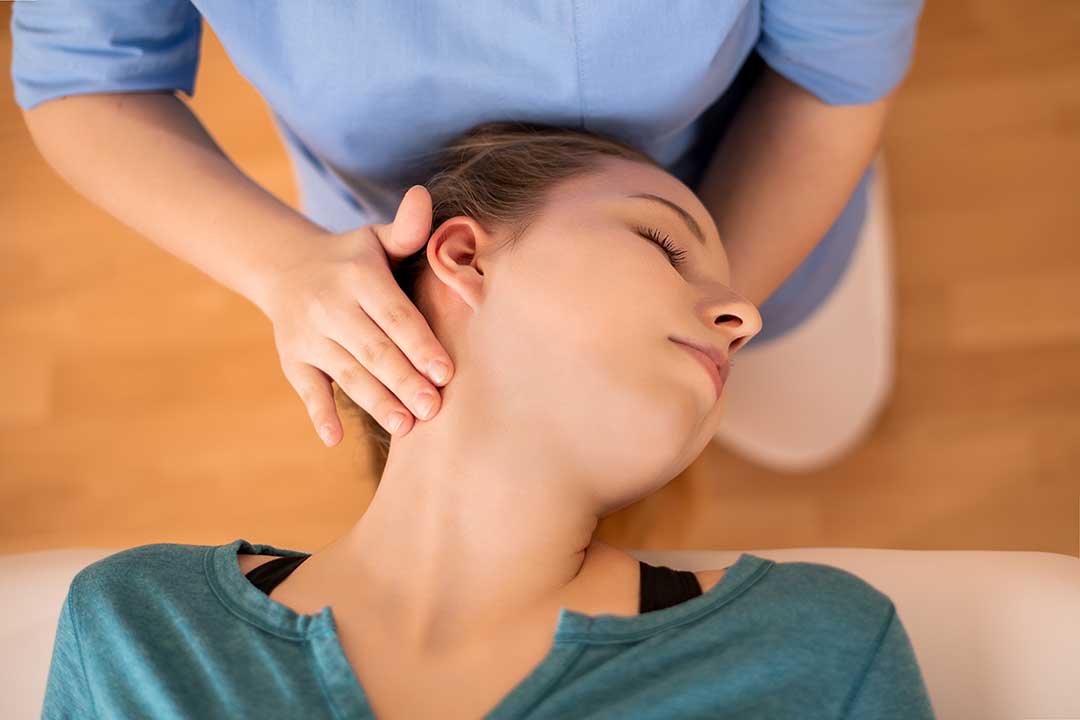
Many people experience temporary soreness, stiffness, headache, or increased discomfort after spinal manipulation or mobilization. These effects commonly resolve within a short period, but serious complications have also been reported rarely. The risk may be higher when underlying health conditions have not been identified. ([nccih.nih.gov](https://www.nccih.nih.gov/health/spinal-manipulation-what-you-need-to-know?utm_source=openai))
Older adults should make sure the clinician knows about:
- Osteoporosis or a history of fractures
- Recent falls
- Spinal surgery or joint replacement
- Blood-thinning medication
- Cancer or infection
- Rheumatoid or other inflammatory disease
- Severe or rapidly worsening pain
- Numbness, weakness, or changes in bladder or bowel control
High-velocity techniques are not the only possible form of chiropractic care. Depending on the examination, a plan may emphasize gentler mobilization, soft-tissue work, positioning, education, and home exercises. The appropriate choice depends on the individual rather than age alone.
What should seniors combine with chiropractic care?
Mobility usually improves most when treatment is paired with active participation. The Centers for Disease Control and Prevention recommends that adults age 65 and older include aerobic activity, muscle-strengthening activity, and balance exercises each week, adjusted for ability and health status. ([cdc.gov](https://www.cdc.gov/physical-activity-basics/adding-older-adults/what-counts.html?utm_source=openai))
Practical examples may include:
- Short, comfortable walks on safe surfaces
- Sit-to-stand practice from a stable chair
- Light resistance-band exercises
- Calf and ankle movements
- Balance exercises performed near a counter
- Gentle range-of-motion exercises
- Strengthening the legs, hips, abdomen, and back
Exercises should not cause sharp pain, new weakness, chest discomfort, faintness, or significant worsening of symptoms. A physical therapist, physician, or other qualified clinician may be needed to design a program for someone with substantial balance problems, recent surgery, neurological disease, or repeated falls.
When is a medical evaluation more urgent?
New mobility loss should not automatically be treated as ordinary stiffness. Prompt medical assessment is warranted for symptoms such as sudden weakness, facial drooping, trouble speaking, severe headache, loss of coordination, chest pain, fainting, fever with severe back pain, or inability to bear weight after a fall.
A fall should also be reported to a healthcare professional even when there is little pain. Falls can reveal vision problems, medication effects, blood-pressure changes, balance disorders, or injuries that are not immediately obvious. ([nia.nih.gov](https://www.nia.nih.gov/health/falls-and-falls-prevention/falls-and-fractures-older-adults-causes-and-prevention?utm_source=openai))
Chiropractic care may support mobility for some seniors when it is carefully selected, appropriately modified, and combined with exercise and broader fall-prevention measures. The most useful measure of progress is not simply whether a joint “moves better,” but whether the person can safely perform meaningful activities such as walking through the home, preparing a meal, using stairs, or participating in daily life.
