
 See Our Latest Article on HelloNation
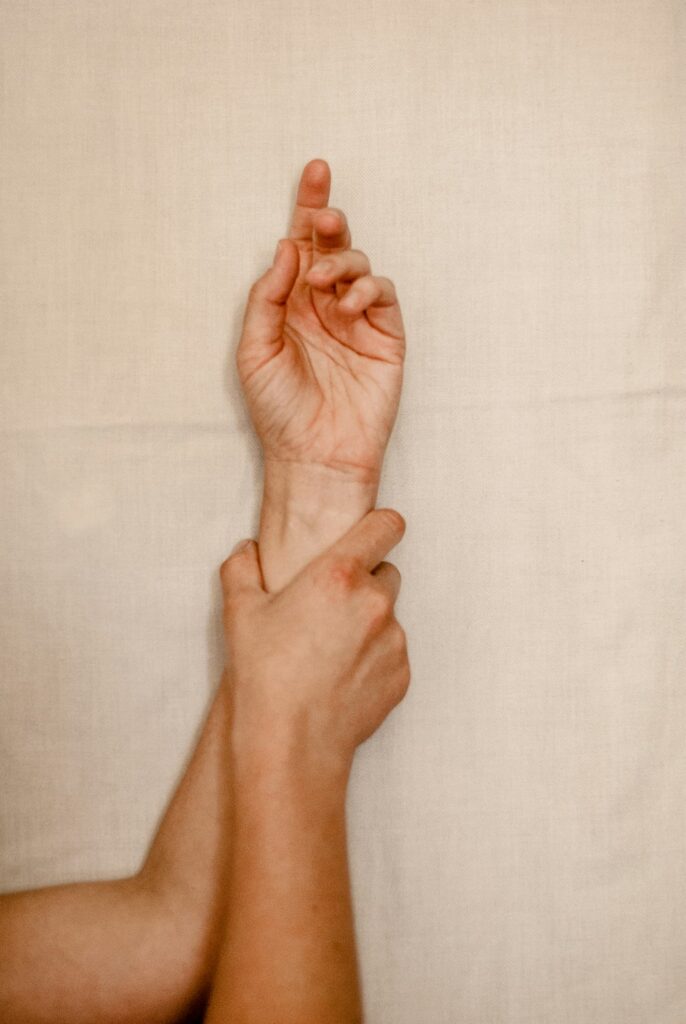
Carpal tunnel syndrome can cause numbness, tingling, burning, or aching in the thumb, index finger, middle finger, and part of the ring finger. Symptoms often worsen at night, while driving, or during tasks that require prolonged wrist bending or gripping.
Mild symptoms may improve with changes made at home. These steps are intended for early, uncomplicated symptoms and should not replace evaluation when numbness, weakness, or pain continues.
What causes carpal tunnel symptoms?
Carpal tunnel syndrome develops when the median nerve is compressed as it passes through a narrow passage in the wrist. Swelling inside that passage can reduce the nerve’s ability to send normal sensation and movement signals to the hand.
Common contributors include:
- Repeated gripping or forceful hand use
- Prolonged wrist bending
- Vibrating tools or equipment
- A previous wrist injury
- Fluid retention
- Diabetes, thyroid disease, or inflammatory arthritis
- Sleeping with the wrists curled
Computer use is often blamed, but keyboarding alone is not always the cause. The more useful question is whether a particular activity keeps the wrist in an awkward position, requires forceful gripping, or prevents regular breaks.
How can a wrist splint help naturally?
A neutral-position wrist splint worn at night is one of the most practical first steps for mild or moderate symptoms. It limits the tendency to sleep with the wrist bent, a position that can increase pressure on the median nerve.
A suitable splint should hold the wrist straight or nearly straight without squeezing the hand. It should not cause increased tingling, swelling, skin irritation, or color changes. Nighttime use is usually more helpful than wearing a rigid brace continuously, since excessive immobilization can create stiffness.
Try the splint consistently for several weeks while also reducing aggravating activities. If symptoms do not improve, or if they return immediately after removing the splint, further evaluation may be needed.
Which daily habits reduce irritation?
Small changes can reduce repeated pressure on the wrist without requiring complete rest. The goal is to keep the hand moving normally while avoiding prolonged strain.
Consider these adjustments:
- Keep the wrist as straight as possible while typing, writing, cooking, or using hand tools.
- Take brief breaks during repetitive tasks instead of waiting until pain becomes severe.
- Alternate hands or change grips when practical.
- Avoid resting the wrist directly on a hard desk edge.
- Use the palm and whole hand rather than pinching tightly with the thumb and fingers.
- Avoid sleeping on the hands or holding the wrists tightly bent.
- Reduce exposure to vibrating equipment when symptoms are active.
For residents managing snow removal, home maintenance, or seasonal outdoor work, cold conditions can make the hands feel stiffer and may encourage a tighter grip. Warm gloves, frequent hand movement, and shorter work intervals can help reduce unnecessary gripping force. These measures may improve comfort, but they do not correct nerve compression by themselves.
Are stretching and nerve-gliding exercises safe?
Gentle movement may help some people, but exercises should not cause sharp pain, stronger tingling, or lasting numbness. Forceful wrist stretching can aggravate an already irritated nerve.
A simple starting routine is to slowly open and close the hand several times, then gently move the wrist through a comfortable range without pushing into pain. Tendon-gliding movements, which change the fingers from a straight position to a relaxed hook and soft fist, may also be useful when performed gently.
Nerve-gliding exercises are more specific. They involve carefully moving the neck, elbow, wrist, and fingers in a coordinated sequence to encourage normal movement of the median nerve. Because incorrect technique can increase symptoms, instruction from a qualified healthcare professional is preferable, especially when symptoms are persistent or severe.

Stop an exercise if numbness spreads, weakness develops, or symptoms remain worse afterward.
Should heat or ice be used?
A cool pack may temporarily reduce discomfort or swelling after an activity that aggravates the wrist. Wrap it in a cloth and use it for a short period rather than placing ice directly on the skin.
Some people find gentle warmth soothing when the hand feels stiff, particularly during cold weather. Heat does not remove pressure from the median nerve, however, and strong heat may worsen swelling for some individuals. Use whichever provides comfort, and discontinue it if symptoms intensify.
Do vitamins, supplements, or massage cure carpal tunnel syndrome?
There is no reliable evidence that vitamin B6 or other supplements consistently cure carpal tunnel syndrome. High doses of certain vitamins can cause nerve problems themselves, so supplements should not be used as a substitute for diagnosis.
Massage may relax nearby muscles and feel temporarily soothing, but pressing firmly over the carpal tunnel can irritate the median nerve. Chiropractic or other hands-on care may be considered as part of an individualized plan, but treatment should be gentle and should not delay appropriate evaluation when nerve weakness or persistent numbness is present.
When should symptoms be medically evaluated?
Seek timely medical evaluation when numbness is constant, symptoms interfere with sleep or daily activities, or the hand begins to feel weak. Difficulty fastening buttons, opening containers, holding a mug, or frequently dropping objects can indicate worsening nerve involvement.
Prompt evaluation is also appropriate after a wrist injury, with sudden swelling, or when symptoms affect the little finger. The little finger is usually supplied by a different nerve, so numbness in that finger may point to another condition.
Persistent symptoms can sometimes cause lasting changes in the muscles at the base of the thumb. A clinician may use a physical examination and, when needed, nerve testing or imaging to distinguish carpal tunnel syndrome from problems involving the neck, elbow, shoulder, or another nerve.
Natural care is most reasonable for mild, recent symptoms without weakness. If home measures are not helping after a few weeks, relying on them indefinitely may allow nerve compression to continue unnoticed.
A practical home routine
For early symptoms, a reasonable routine is to:
- Wear a comfortable neutral wrist splint while sleeping.
- Keep wrists straight during work and household tasks.
- Take short movement breaks during repetitive activities.
- Use gentle hand and wrist movements without provoking symptoms.
- Apply a wrapped cool pack after aggravating activity if it provides relief.
- Track which fingers are affected, when symptoms occur, and whether grip strength is changing.
This information can help identify patterns and makes it easier to explain the problem accurately if an evaluation becomes necessary.
